The Art Of Rolling: Cell Wall Disruption And Flavor Development
Feb 06, 2026
Rolling is a pivotal moment in tea processing where physical force translates directly into chemical destiny. Far beyond shaping the leaf, the true art of rolling lies in the controlled physical disruption of the tea leaf's cell structure, a mechanical action that unlocks the doors to flavor.
After withering, when leaves are pliable, they are subjected to pressure, twisting, and compression. This mechanical action breaks down the cell walls, creating fissures and ruptures within the leaf tissue. This critical step breaches the internal compartments, allowing the cell sap-rich in catechins, caffeine, and amino acids-to spill out and mingle with oxidative enzymes like polyphenol oxidase present in the cytoplasm. This intimate contact is the essential prerequisite for the enzymatic transformations that follow, particularly in black and oolong teas.
The degree and method of cell wall disruption are precisely calibrated, defining the tea's extraction profile:
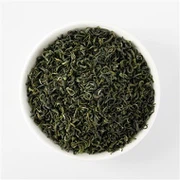
Light Rolling: Minimal cell breakage results in a slower, more gradual release of compounds during infusion. This yields a lighter, more delicate liquor with pronounced freshness, often seen in some green teas, but may offer less body.
Moderate Orthodox Rolling: The goal is thorough yet even maceration-"bruising, not pulverizing." This optimal disruption allows for a complete and balanced release of flavors, producing teas with full-bodied complexity, aromatic depth, and good longevity over multiple infusions.
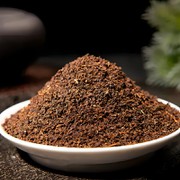
Heavy Rolling or CTC (Crush, Tear, Curl): This method aggressively shreds the leaf, achieving near-total cell rupture. It maximizes surface area and extraction efficiency, producing a bold, strong, and instantly infusing liquor perfectly suited for robust blends and tea bags.
Thus, rolling is the essential bridge between the leaf's latent potential and the realized flavor in your cup. It is where the art of the tea maker's hand meets the fundamental science of extraction, setting the stage for all subsequent chemistry to unfold.