Decoding Tea Names: What They Can Tell You About The Product
Apr 17, 2026
For newcomers, tea names can seem like a poetic but confusing code: Dragon Well, Keemun, Lapsang Souchong, Silver Needle. Yet beneath the lyricism lies a practical naming system. Learning to decode tea names is the first step toward understanding what is inside the package.
The Geography Clue
Many traditional Chinese tea names begin with a place name. "West Lake Longjing" tells you the tea comes from Hangzhou's West Lake region. "Keemun Black Tea" points to Qimen County in Anhui. Origin matters because it implies specific terroir, climate, and local processing traditions-a shorthand for quality expectations.
Shape and Color as Visual Hints
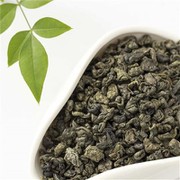
Some names describe the dry leaf's appearance. "Biluochun" (Green Snail Spring) evokes tightly curled, spiral-shaped leaves with a jade-green color. "White Hair Silver Needle" describes buds covered in fine white fuzz, shaped like silver needles. "Golden Junmei" refers to the golden tips and eyebrow-like curve of the leaf. These names help you visualize the tea before brewing.
Process and Cultivar Markers
Names can also indicate processing style or tea variety. "Lapsang Souchong" includes "Souchong," which refers to a lower-leaf grade, but the name is now synonymous with pine-smoked black tea from the Wuyi Mountains. "Jinxuan Oolong" directly names the cultivar, useful for those familiar with Taiwan's #12 cultivar (also known as "Milk Oolong" for its creamy note).
Grade and Plucking Standard
Certain terms signal leaf grade and tenderness. "Silver Needle" means only unopened buds. "Peony" often indicates one bud with one or two leaves. "Broken Orange Pekoe" (BOP) tells you the leaf has been cut for faster infusion. Understanding these signals helps assess a tea's likely strength, price tier, and intended use.
Why This Matters for Buyers
For tea buyers and suppliers alike, names are the first conversation. A well-chosen name accurately communicates origin, appearance, or process-building trust and reducing confusion. The next time you encounter an unfamiliar tea name, pause and ask: Where is it from? What does it look like? How was it made? The answers are often hidden in plain sight.