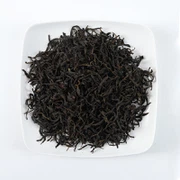
Matcha Powder Vs Green Tea: Which One Has More Nutrients?
Aug 05, 2023
Matcha powder and green tea are both derived from the leaves of the Camellia sinensis plant, but they differ in how they are grown and processed. Green tea is made by harvesting the tea leaves and quickly heating them to prevent oxidation. Matcha is made by growing the tea plant in the shade for the last few weeks of harvest, which increases its chlorophyll content. The leaves are then dried and ground into a fine powder.
Both matcha and green tea contain antioxidants, caffeine, and amino acids, but in different amounts. Antioxidants are compounds that protect the cells from damage caused by free radicals. Caffeine is a stimulant that can boost energy and alertness. Amino acids are the building blocks of proteins that have various functions in the body.

Body
The main antioxidants in matcha powder and green tea are catechins, especially epigallocatechin-3-gallate (EGCG). EGCG has been shown to have anti-inflammatory, anti-cancer, and cardiovascular protective effects1. According to a 2003 study, matcha contains roughly three times more EGCG than the average green tea2. The table below shows the comparison of EGCG content in matcha and green tea per gram2.
| Matcha | Green Tea |
|---|---|
| 57.4 mg | 18.9 mg |
The caffeine content in matcha and green tea also varies depending on the type and preparation method. Caffeine can enhance cognitive performance, mood, and metabolism3. However, too much caffeine can cause side effects such as insomnia, anxiety, and palpitations3. The table below shows the comparison of caffeine content in matcha and green tea per gram4.
| Matcha | Green Tea |
|---|---|
| 31.7 mg | 18 mg |
Another important nutrient in matcha and green tea is L-theanine, an amino acid that can promote relaxation, focus, and creativity5. L-theanine can also counteract some of the negative effects of caffeine, such as jitteriness and blood pressure elevation5. The table below shows the comparison of L-theanine content in matcha and green tea per gram4.
| Matcha | Green Tea |
|---|---|
| 17.6 mg | 6.6 mg |
Conclusion

Matcha powder and green tea are both nutritious beverages that can offer various health benefits. However, based on the data above, matcha has more antioxidants, caffeine, and L-theanine than green tea per gram. Therefore, matcha may be a better choice for people who want to get more nutrients from their tea. However, it is important to consume matcha in moderation, as too much caffeine can have adverse effects. Additionally, people should choose high-quality matcha from reputable sources, as some products may contain contaminants or additives.
Check out our more articles on Chinese tea culture and learn about the GM tea industry.