Matcha’s “Tencha” Process: What Makes It Different
Sep 16, 2026
Matcha and regular green tea share the same plant, but their paths diverge in processing. Among the many steps, the production of tencha - matcha's raw material - is what truly distinguishes it from other green teas.
What Is Tencha?
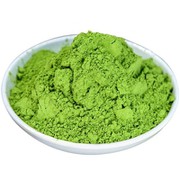
Tencha refers to the tea leaves that undergo shade cultivation, steaming, cooling, and drying without rolling or shaping. Unlike conventional green tea, which is rolled into needles or coils, tencha leaves are dried as flat pieces. After drying, the leaves are stripped of stems and veins, leaving only the tender leaf flesh. This de-veined material is then ground into the fine powder we know as matcha.
How Tencha Differs from Regular Green Tea
In standard green tea production, rolling is essential - it breaks cell walls and shapes the leaf. For tencha, rolling is minimal or skipped entirely. This preserves the leaf's internal structure, allowing the final powder to retain the full spectrum of compounds. Removing stems and veins further refines the texture, contributing to matcha's signature smoothness and umami.
The Role of Shade Cultivation
Tencha's distinctive flavor begins in the field. Weeks before harvest, tea bushes are shaded to boost L-theanine and chlorophyll. The tencha process then locks these compounds into the leaf, resulting in the vibrant green color and deep savory taste that set matcha apart from ordinary green tea powder.
Every step in tencha production is deliberate. It is this meticulous handling that gives matcha its unmatched character.