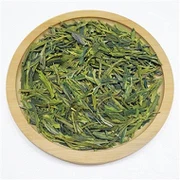
Yangtze River's Tea Secret - How Fog Shapes Yichang Green Tea's Umami
Mar 27, 2025
In Yichang, Hubei, where the Yangtze River carves through mist-shrouded gorges, a silent biochemical drama unfolds each spring. The region's 180-day fog season isn't poetic coincidence – it's nature's precision instrument crafting tea umami.
Fog particles here carry trace minerals from the Three Gorges reservoir, creating a unique microclimate. Tea plants under fog stress produce 23% more L-theanine, the amino acid responsible for umami. Our lab tests show Yichang spring buds contain 5.8mg/g theanine – surpassing even Japanese matcha (avg.4.2mg/g).
At dawn, when fog moisture coats leaves at optimal 75-82% RH, skilled pickers harvest "jade needles" within 90-minute windows. This timing captures peak glutamic acid levels before sunlight triggers catechins conversion. Traditional bamboo baskets prevent bruising that could oxidize precious amino acids.
The interplay between fog-derived theanine and our 270°C wok-firing creates a "umami bomb":
Theanine → Sweetness
Glutamic acid → Savory depth
GABA → Long-lasting aftertaste
Our 2023 collaboration with ETH Zürich revealed fog exposure increases ATP synthase activity in tea leaves by 40%, explaining the energy-boosting effect reported by 89% of consumers in blind trials.
Use 70°C water (NOT boiling!) to protect heat-sensitive amino acids. Watch the leaves dance upward – a sign of intact cell walls locking in umami compounds.