CTC Black Tea: A Popular And Versatile Black Tea
Aug 25, 2023
## History of CTC black tea
The CTC method was invented in the 1930s by Sir William McKercher in Assam, India. He wanted to create a tea that could brew quickly and produce a strong liquor. The CTC method was also suitable for the low-quality and high-yield tea leaves that were grown in Assam. The process spread in the 1950s throughout India and Africa, where it became the dominant method of producing black tea. Today, most black teas produced around the world use the CTC method or the closely related Rotorvane orthodox manufacture.
## Characteristics of CTC Tea
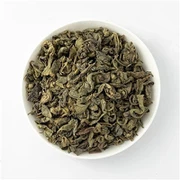
CTC tea has a distinctive appearance and flavor. The tea leaves are transformed into small, uniform pellets that look like granules or grains. The pellets are dark brown or reddish in color and have a generic "tea-like" aroma. When brewed, CTC tea produces a rich red-brown color and a full-bodied, slightly bitter flavor. CTC tea is often blended with other teas or spices to create different varieties, such as Assam tea, English Breakfast tea, Irish Breakfast tea, Afternoon Tea, and Masala chai. CTC tea is also ideal for making iced tea or milk tea.

## Benefits of CTC black tea
CTC tea has several benefits for consumers and producers. For consumers, CTC tea is convenient, affordable, and versatile. It can be brewed quickly and easily using a teapot, a strainer, or a tea bag. It can also be enjoyed with or without milk, sugar, lemon, or honey. It can be adapted to different tastes and preferences by adding different ingredients or flavors. For producers, CTC tea is profitable, efficient, and consistent. It can be made from low-quality or mixed tea leaves without affecting the final product. It can also be processed faster and cheaper than orthodox teas. It can also be stored longer and transported easier than loose leaf teas.
## Drawbacks of CTC black tea
CTC tea also has some drawbacks for consumers and producers. For consumers, CTC tea may lack subtlety, diversity, and quality. It may have a homogenous and generic flavor that does not reflect the origin or variety of the tea leaves. It may also have a higher caffeine content than orthodox teas, which may cause side effects such as insomnia, anxiety, or dehydration. It may also have more pesticides or chemicals than organic or natural teas. For producers, CTC tea may face competition from other types of teas that are more popular or trendy among consumers. It may also face challenges from environmental or ethical issues that affect the tea industry.
CTC tea is a type of black tea that is processed by a method called "crush, tear, curl" or "cut, tear, curl". It is widely produced and consumed around the world for its convenience, affordability, and versatility. However, it also has some drawbacks for its flavor, quality, and sustainability. CTC tea is a popular and versatile black tea that can be enjoyed in different ways by different people.
Please check out our more articles to learn about tea knowledge and GM Tea Industry.