Building A Sensory Lexicon How To Describe Tea Like A
Mar 03, 2026
To the novice, a fine tea might simply taste "good" or "smooth." To the professional, however, that same cup reveals a rich tapestry of specific sensations, each with its own name. Building a sensory lexicon is the essential skill that transforms casual drinking into informed appreciation.
The Visual Dimension: Reading the Leaf and Liquor
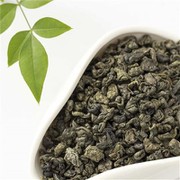
Professional tasting begins with the eyes. For dry leaves, terms like tightly twisted, evenly shaped, downy, bold, or flat convey appearance and processing quality. The liquor's color speaks volumes: green teas range from pale jade to bright chartreuse; black teas from orange-gold to deep ruby; oolongs from golden honey to amber. Clarity is always prized-a "bright" or "brilliant" liquor signals careful craftsmanship.
The Aromatic Palette: Identifying Scent Families
Tea's aromatic complexity unfolds in layers. Building a mental library of scent families helps pinpoint what you're smelling:
Vegetal Notes: Fresh grass, steamed spinach, roasted chestnut, seaweed
Floral Notes: Orchid, jasmine, rose, osmanthus
Fruit Notes: Stone fruits (peach, apricot), citrus, dried plum
Confectionary Notes: Honey, caramel, chocolate, malt
Roasted Notes: Toasted rice, pine smoke, charcoal
Practice by identifying the dominant aroma first, then noting subtler supporting notes that emerge as the tea cools.
The Taste Architecture: Structure and Balance
On the palate, professional tasters evaluate multiple dimensions simultaneously:
Body: Light, medium, or full-the tea's weight on the tongue
Umami: The savory, mouth-filling sensation from amino acids
Astringency: A drying, slightly puckering sensation-not bitterness
Sweetness: Immediate or as a returning aftertaste (huigan)
Harmony: How all elements integrate; no single note dominates
The Mouthfeel: Texture as Experience
Beyond taste, tea offers tactile pleasure. Descriptive terms include: silky, creamy, crisp, lively, coarse, or velvety. A truly exceptional tea often possesses a distinctive texture that lingers pleasantly.
From Sensation to Vocabulary
Developing your sensory lexicon is a practice of mindful observation. Use a tasting journal to record impressions systematically. Compare similar teas side by side. Taste with others and compare notes. Over time, the subtle differences that once blurred together will resolve into clear, nameable sensations. You'll no longer just "like" a tea-you'll know precisely why, and have the words to share that understanding with others.