White Tea's Minimal Oxidation Vs. Green Tea's Zero Oxidation
Jul 08, 2026
White tea and green tea both offer freshness, but their processing philosophies are fundamentally different. One stops oxidation entirely; the other allows a whisper of it. This distinction shapes two very different tea experiences.
Zero Oxidation: Green Tea's "Lock-Fresh" Approach
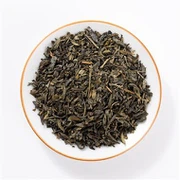
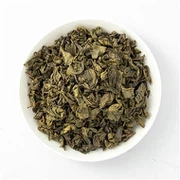
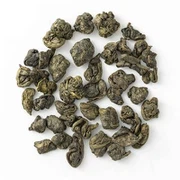
The defining step of green tea is kill-green - applying high heat to freshly plucked leaves immediately. This deactivates the enzymes responsible for oxidation. The result is zero oxidation. Green tea captures the leaf at its freshest state: vivid green liquor, vibrant aroma, and crisp, grassy or chestnut-like flavors. The freshness is sealed in.
Minimal Oxidation: White Tea's "Let-Be" Approach
White tea undergoes only withering and drying - no rolling, no kill-green. As the leaves slowly lose moisture over time, gentle enzymatic activity occurs naturally. This creates minimal oxidation, yielding a different kind of freshness: subtle, honeyed, and mellow. The liquor is pale golden, with a soft, lingering sweetness.
What This Means in the Cup
Appearance: Green tea leaves are tightly rolled or curled; white tea leaves are often downy and naturally shaped.
Aroma: Green tea has lively, high notes - steamed greens, roasted nuts, or sea breeze. White tea offers gentler scents - dried hay, wildflower honey, or light fruit.
Taste: Green tea is crisp and brisk; white tea is smooth and sweet, with a soft, calming character.
Longevity: White tea often holds up to more infusions, releasing its compounds slowly.
One tea is made by stopping time; the other, by letting time move gently. Both are beautiful expressions of the tea leaf - just from different conversations with nature.