The Processing Technique Of Chinese Jasmine Tea
Sep 18, 2023
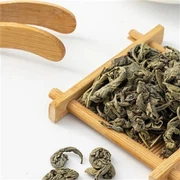
The first step of making jasmine tea is to prepare the tea base, which is usually green tea, but can also be black or oolong tea. The tea leaves are harvested in spring or summer, and then processed by withering, rolling, and drying. The quality of the tea base affects the final quality of the jasmine tea, so it is important to choose high-quality tea leaves that are fresh, tender, and uniform.
The second step is to maintain the fresh jasmine flowers, which are usually harvested in the evening when they are about to bloom and emit their fragrance. The jasmine flowers are sorted and cleaned to remove any impurities, such as leaves, stems, or insects. The flowers are then stored in a cool and ventilated place to keep them fresh and prevent them from wilting or rotting.
The third step is to blend and scent the tea leaves with the jasmine flowers. This process is also known as “yin hua” or “windowing”. The tea leaves and the jasmine flowers are layered alternately in a large container, usually at a ratio of 1:4 or 1:5. Chinese Jasmine TeaThe container is then covered with a cloth or a lid to trap the heat and moisture inside. The jasmine flowers will gradually open and release their fragrance, which will be absorbed by the tea leaves. This process can last for several hours or overnight, depending on the temperature and humidity.
The fourth step is to air the scented tea leaves and separate them from the jasmine flowers. This process is also known as “tong hua” or “airing”.Chinese Jasmine Tea The scented tea leaves are spread out on a large bamboo mat or a conveyor belt, and exposed to air to cool down and dissipate the excess heat and moisture. The jasmine flowers are then removed by hand or by a machine, leaving behind the scented tea leaves.
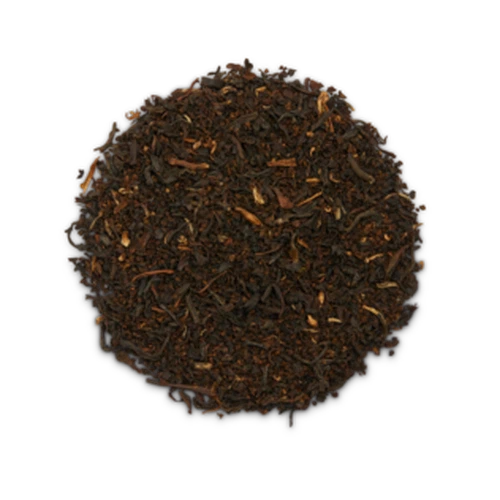
The fifth step is to dry the scented tea leaves to reduce their moisture content and preserve their aroma. This process is also known as “hong gan” or “drying”. The scented tea leaves are placed in a hot-air oven or a wok, and heated at a temperature of about 100-110 degrees Celsius for 10-15 minutes. The drying process should be done carefully to avoid burning or over-drying the tea leaves.
The sixth step is to refine the scented tea leaves by repeating the scenting and drying processes several times. This process is also known as “zhuan yin” or “refining”. The scented tea leaves are blended and scented with fresh jasmine flowers again, usually at a lower ratio of 1:2 or 1:3. The scented tea leaves are then aired and dried again, following the same steps as before. This process can be repeated for two to nine times, depending on the desired quality and intensity of the jasmine aroma.
The final step is to pack the finished jasmine tea into bags or boxes, ready for sale or consumption. The jasmine tea should be stored in a cool and dry place, away from direct sunlight or strong odors. The jasmine tea should be brewed with boiling water for about 3-5 minutes, depending on personal preference. The jasmine tea can be enjoyed hot or cold, with or without sugar or honey.
Chinese jasmine tea is a wonderful drink that combines the benefits of both tea and flowers. It has a unique flavor and fragrance that can soothe the mind and body. By learning about the processing technique of Chinese jasmine tea, we can appreciate its value and quality more deeply.
If you want to know more about tea, please click here