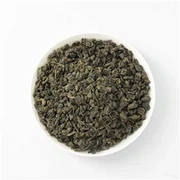
Green Tea Steaming Japanese Sencha Vs Chinese Method
Sep 30, 2025
Japan and China have developed distinct approaches - steaming and pan-firing - that create strikingly different tea profiles.
Japanese Steaming (Sencha)
Japanese tea masters perfected the steaming method, where freshly picked leaves are briefly treated with steam heat. This rapid process, lasting 30-60 seconds, effectively halts oxidation while preserving the leaves' vibrant green color and marine, vegetal notes. The result is Sencha's characteristic deep emerald liquor, umami-rich flavor, and refreshing aroma. Modern steaming techniques have evolved to offer different durations - Asamushi (light steam), Chumushi (medium steam), and Fukamushi (deep steam) - each creating unique taste experiences.
Chinese Steaming (Traditional Method)
While pan-firing dominates Chinese green tea production, the ancient steaming technique survives in celebrated varieties like Enshi Yulu from Hubei. This traditional method involves longer steaming times, producing teas with a distinctive appearance - flat, smooth needles resembling dewdrops - and a more delicate, sweet flavor profile compared to their Japanese counterparts.