Bead Tea Tasting Tips
Jul 11, 2022
"Muji" - observe the appearance and shape of the tea, the color of the tea soup, etc. with the eyes.
"Nose products" - smell the aroma of tea with your nose.
"Mouth" - taste the flavor of tea soup with your tongue.
"Xinpin" - the appreciation of tea has sublimated from the perceptual appreciation of material height to the height of culture.
Three look
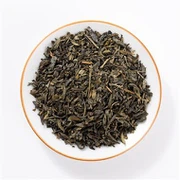
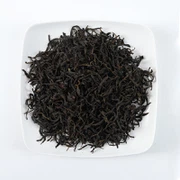
Look at the appearance and shape of the dry tea, that is, whether it is bud tea or leaf tea; Whether there are obvious cents and so on.
The second look is to look at the color of the tea soup, that is, to see whether the tea soup is clear, bright and bright and has the due color of the variety.
Third, look at the bottom of the leaves, that is, to see whether the fully expanded leaves or leaf buds after brewing are tender, uniform, complete, with or without flowers, scorched spots, red tendons, red stems, etc. Oolong tea also depends on whether " Green leaves and red borders".
Sanwen
Dry smell----mainly smell the aroma of dry tea, as well as whether there is old smell, musty smell and adsorption of other peculiar smells.
Hot smell ---- refers to smell the fragrance of tea by hot after it is brewed. , Qing Gao, fresh spirit, elegant, Xin Rui, pure, light, peaceful and other forms of expression.
Cold smell ---- refers to smelling the tea cover or the bottom of the cup after the temperature is lowered. At this time, you can smell other smells that are covered up by the volatilization of tea aroma at high temperature.
Sanpin
Tea should be sipped carefully.
The first grade—mainly the fire-fighting technique, depends on whether the tea is made of old fire, full fire, raw green or sun-dried.
The second product is to taste the taste. At this time, the tea soup should flow in the mouth and fully contact the taste buds of the base of the tongue, the surface of the tongue, the side of the tongue, and the end of the tongue to see whether the tea taste is strong, fresh, sweet, mellow, mellow or not. Bitter, thin or jerky.
The third grade is the charm of tea tasting.
Three aftertastes
The three aftertastes are the feelings people feel after tasting tea.
First, the aftertaste of the tongue is sweet, and the mouth is full of saliva.
The second is ----- the aftertaste of the teeth and cheeks is mellow, and the fragrance lasts for a long time.
The third is - the aftertaste at the bottom of the throat is sweet and refreshing, the qi and pulse are smooth, and the five viscera and six viscera are moisturised.