



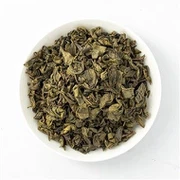
EU Standard Gunpowder Tea 9375
The production and distribution of tea can result in the presence of various contaminants, including heavy metals, pesticides, and mycotoxins. These contaminants can pose serious health risks to consumers, which is why it is important to test EU Standard Gunpowder Tea 9375 for their presence.
EU Standard Gunpowder Tea 9375 is one of the most popular beverages in the world, consumed by millions of people every day. One of the most common contaminants in tea is heavy metals, such as lead, cadmium, and arsenic. These metals can enter the tea leaves through contaminated soil or water, and can accumulate in the body over time, leading to organ damage and other health problems. Therefore, it is essential to test tea for heavy metal content, using techniques such as atomic absorption spectroscopy or inductively coupled plasma mass spectrometry.
Products Description
|
Tea Name |
EU Standard Gunpowder Tea 9375 |
|
Tea Type |
Customized Tea |
|
Origin |
Hubei, China |
|
Shelf Life |
24 months |
|
Storage condition |
Keep air-tight in dry, clean place |
Customized Services
|
Service |
OEM&ODM |
|
Package
|
Paper box |
|
Plastic bag or gunny bag |
|
|
Gift packaging |
|
|
Canning |
|
|
Customized |
|
|
Payment Items |
T/T, D/P, L/C |
|
Delivery Port |
Any Port From China |
|
Delivery Time |
Within 20 days after signing the contract |

Another major concern in tea production is the presence of pesticides and herbicides. These chemicals are used to control pests and weeds, but can also be harmful to human health if consumed in high amounts. Common pesticides found in tea include chlorpyrifos, fenpropathrin, and imidacloprid. To test for pesticide residues, various methods such as gas chromatography or liquid chromatography are used.
In addition to heavy metals and pesticides, tea can also be contaminated with mycotoxins, which are toxic substances produced by fungi. These mycotoxins can cause a range of health problems, from nausea and vomiting to liver damage and cancer. Common mycotoxins found in tea include aflatoxins, ochratoxins, and patulin. To detect mycotoxins in tea, methods such as high-performance liquid chromatography or enzyme-linked immunosorbent assay are used.

In conclusion, the presence of contaminants such as heavy metals, pesticides, and mycotoxins in tea can pose serious health risks to consumers. Therefore, it is essential to test EU Standard Gunpowder Tea 9375 for their presence, using various analytical techniques such as atomic absorption spectroscopy, gas chromatography, and high-performance liquid chromatography. By ensuring the safety and quality of tea, consumers can continue to enjoy this popular beverage without worrying about potential health risks.
Hot Tags: eu standard gunpowder tea 9375, China eu standard gunpowder tea 9375 suppliers, factory




Send Inquiry
